Introduction
A three-day Healing and Rebuilding Our Community (HROC) training was successfully conducted with the aim of equipping participants with knowledge and practical skills for healing from trauma, rebuilding relationships, and promoting peaceful coexistence within communities. The training provided a safe and interactive environment where participants reflected on personal experiences, explored the effects of trauma, and learned various healing approaches that can be applied both individually and collectively.
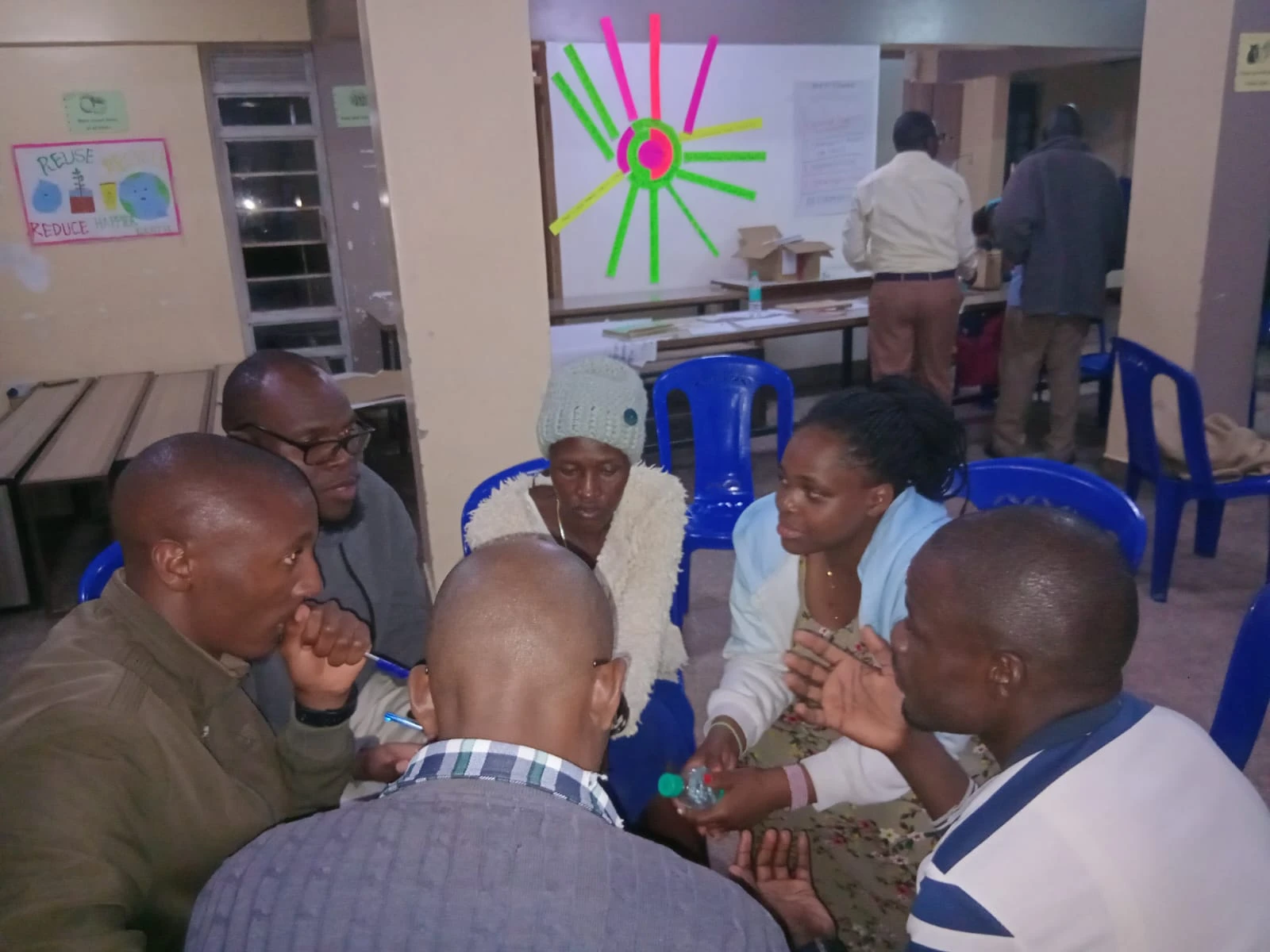
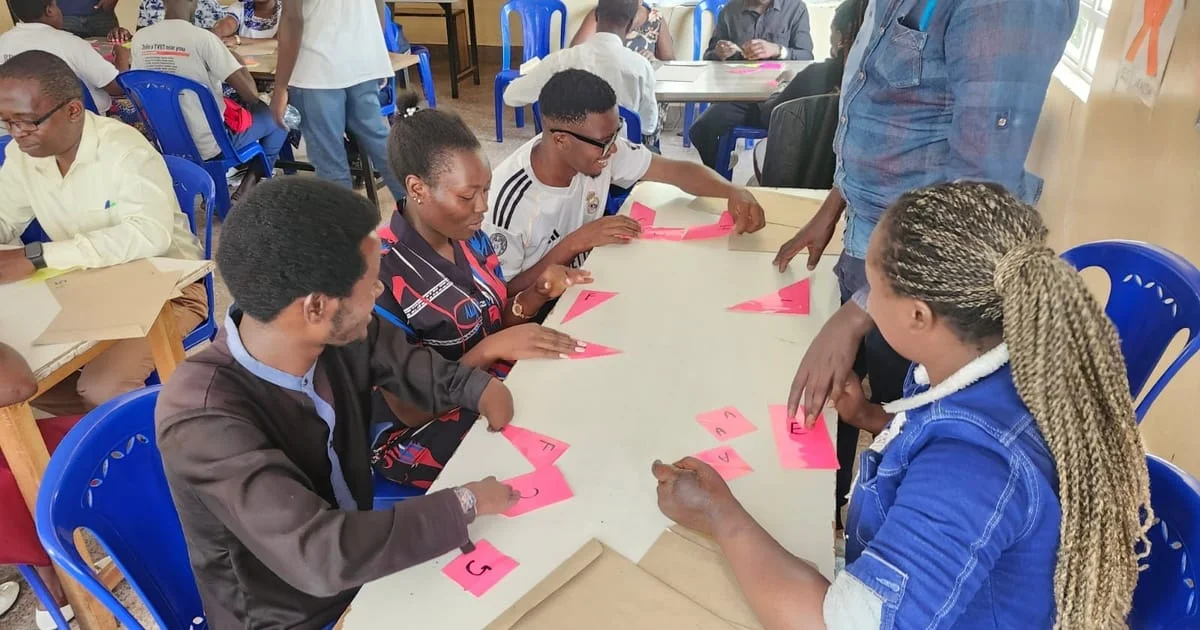
The sessions combined presentations, discussions, group activities, and personal reflections, allowing participants to actively engage with the concepts being taught. Throughout the training, emphasis was placed on understanding trauma, healing emotional wounds, improving communication, and strengthening community relationships.
Day One: Understanding Trauma and Building Self-Awareness
The first day focused on laying a foundation for understanding trauma and its impact on individuals and communities. Participants were introduced to the history and purpose of HROC, followed by the establishment of group guidelines that promoted respect, confidentiality, and active participation.
One of the key topics covered was Johari’s Window, a model of self-awareness that helps individuals understand how they relate with others. Participants learned about the four sections of the Johari Window: the Open Area, Blind Area, Hidden Area, and Mystery Area. Through discussions and exercises, participants explored the importance of self-discovery, feedback, and trust in building healthy relationships.
The training also examined trauma in depth. Participants discussed the definition of trauma, its causes, symptoms, and consequences. Various sources of trauma such as conflict, violence, loss, accidents, and difficult life experiences were highlighted. The sessions demonstrated how trauma can affect emotional well-being, behavior, relationships, and community cohesion.
An important activity during the day was the exploration of personal experiences and how trauma affects people's daily lives. Participants recognized that trauma is not only an individual issue but can also impact families and entire communities.
Day Two: Healing, Reflection, and Managing Emotions
The second day focused on the healing process and emotional recovery. Participants were introduced to several practical healing approaches, including the Empty Chair Technique, a therapeutic exercise that helps individuals express unresolved feelings and process emotional pain.
The importance of effective communication was also discussed through a session on good and bad listening. Participants learned that active listening is a critical component of healing because it creates a supportive environment where people feel heard, understood, and respected.
Another major topic was loss, grief, and mourning. Participants explored the different stages of grief and gained a deeper understanding of how people respond differently to loss. The discussions emphasized that grief is a natural process and that healing requires patience, acceptance, and support.
Personal reflection sessions allowed participants to examine their own life experiences and identify areas where healing was needed. These reflective activities encouraged self-awareness and personal growth while creating opportunities for deeper understanding among participants.
The training further addressed healing from grief and the conditions necessary for healing. Participants learned that healing is a journey rather than a one-time event. Factors such as acceptance, support systems, forgiveness, self-care, and hope were identified as important elements in the recovery process.
A significant part of the day focused on identifying and handling strong emotions such as anger, fear, guilt, shame, and sadness. Participants discussed healthy ways of managing emotions and learned strategies for responding constructively during challenging situations.
Day Three: The Journey Toward Healing and Reconciliation
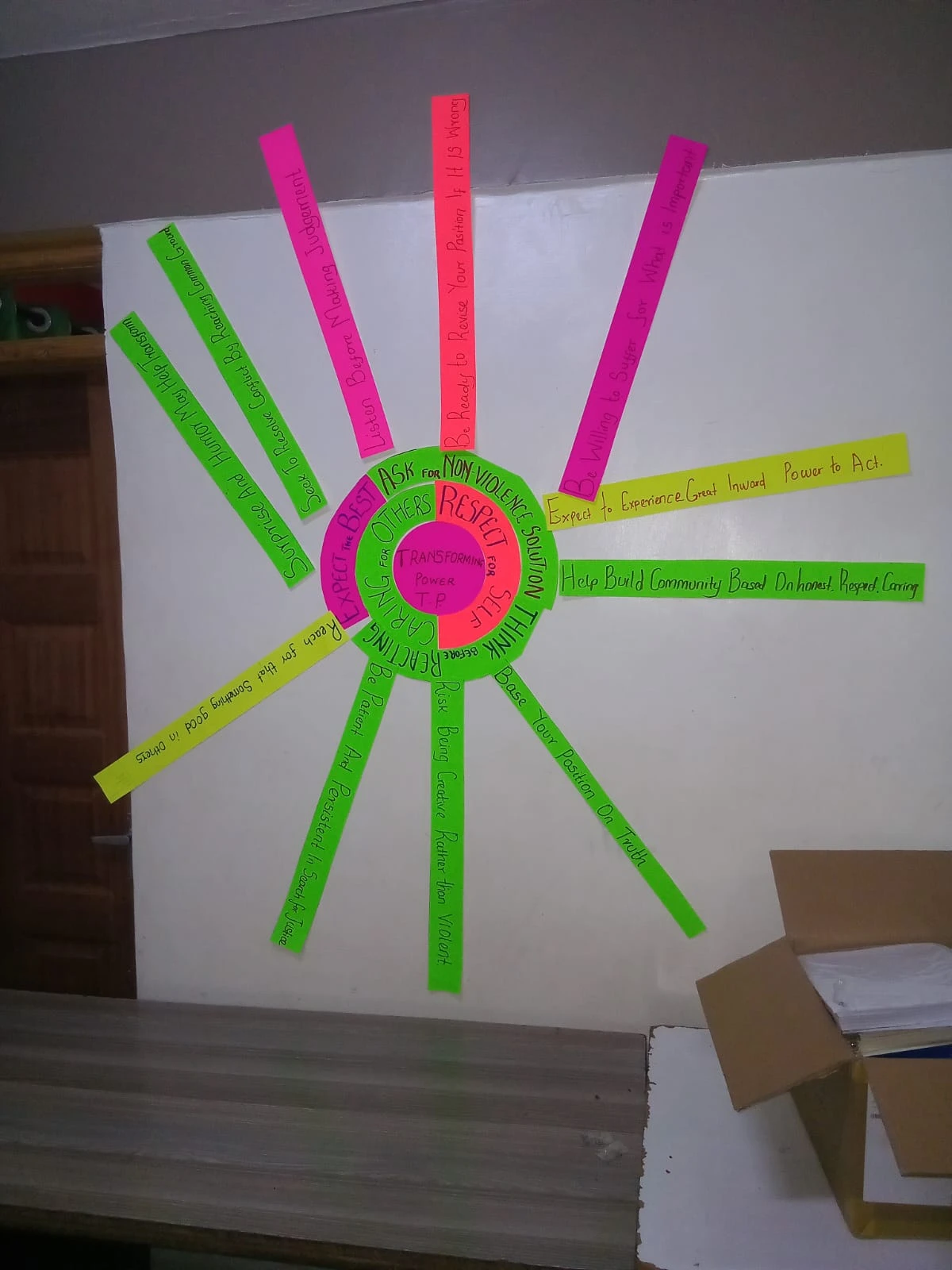
The final day concentrated on the journey of healing and reconciliation. Participants examined the cycle of trauma and conflict and how unresolved pain can contribute to ongoing divisions within communities. Through discussions and visual learning tools, they explored pathways that move individuals from victimhood, anger, and fear toward healing, forgiveness, justice, and reconciliation.
The concept of the healing journey was discussed extensively. Participants learned that recovery involves acknowledging pain, expressing emotions, confronting difficult experiences, and gradually rebuilding trust and relationships. The process requires commitment, support, and a willingness to move forward despite past challenges.
The training also highlighted the importance of rebuilding communities through empathy, understanding, and peaceful conflict resolution. Participants explored how communities can create environments that support healing and encourage cooperation among individuals with different experiences and backgrounds.
Group discussions emphasized that sustainable peace cannot be achieved without addressing emotional wounds and promoting reconciliation. Participants reflected on their roles as peacebuilders and identified practical actions they could take within their communities to support healing and positive social change.
Conclusion
The HROC training provided participants with valuable knowledge and practical skills for understanding trauma, managing emotions, healing from grief, and rebuilding relationships. Through interactive sessions, personal reflections, and group discussions, participants gained deeper insight into the challenges faced by individuals and communities affected by trauma.
The training reinforced the understanding that healing is a continuous journey that requires self-awareness, support, empathy, and resilience. Participants left the training better equipped to contribute to personal healing, strengthen community relationships, and promote peaceful coexistence within their respective communities. The knowledge and skills acquired during the three-day program will continue to serve as important tools for fostering healing, reconciliation, and sustainable peace.
Brian Shikami
Author at TCSC Kenya, based in Kakamega.